
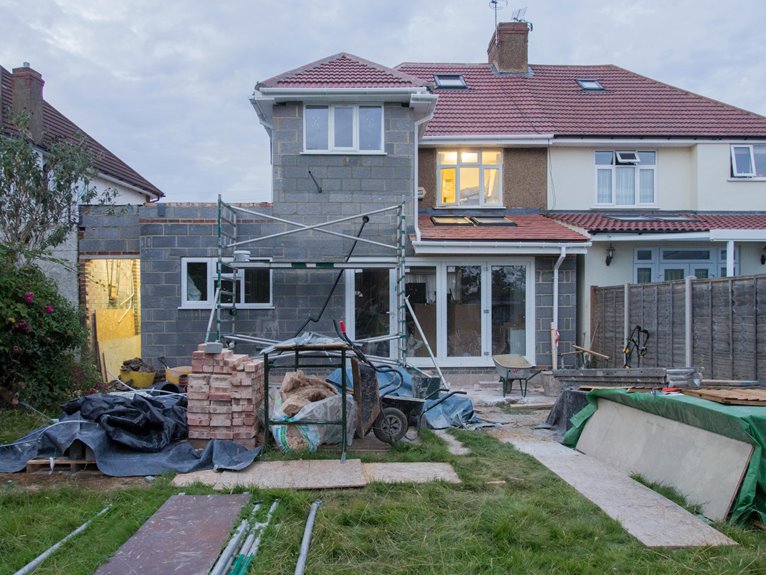
Backyard renovations absolutely pay off—if you’re smart about it. Wood decks recover 83% of costs, while patios boost value $3,000–$5,000. Landscaping yields up to 80% ROI, and outdoor kitchens recoup 55–200%. Your listings sell for roughly 3.1% more with quality outdoor features. Here’s the catch: skip permits and you’ll tank resale value. Start small with mulch and edging under $1,000, then scale up. The real secret? Choose projects you’ll actually use daily. Stick around to discover which upgrades will improve both your lifestyle and equity.
Backyard ROI Reality: Which Projects Pay Off
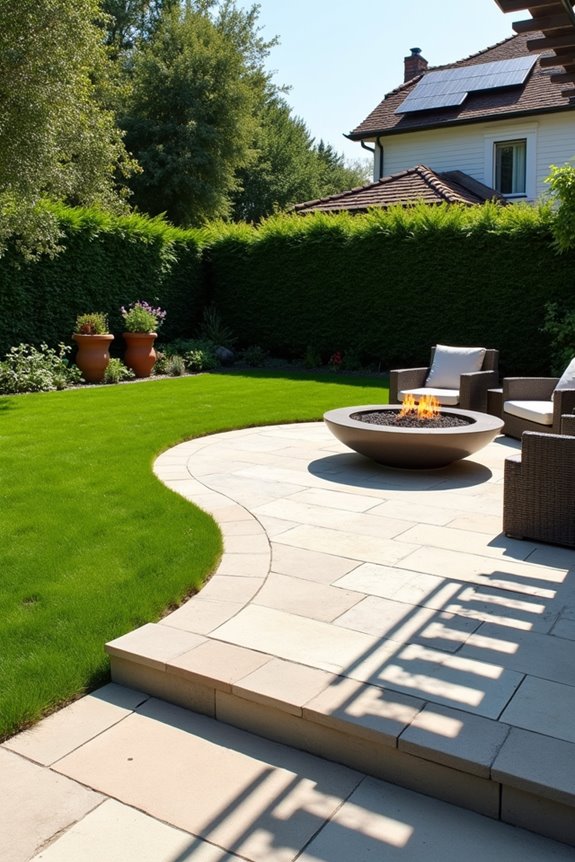
If you’re thinking about sprucing up your backyard, here’s the good news: not all upgrades drain your wallet without payback.
Decks are solid investments. Wood versions recoup about 83% of costs, while composite decks return roughly 68%—pretty solid returns that benefit both you and your neighbors.
Wood decks recoup 83% of costs, composite decks return 68%—both deliver solid ROI for your home.
Outdoor kitchens deliver strong returns. You’ll recover 55% to 200% of what you spend, and homes featuring outdoor features sell about 3.1% higher. That’s real money.
Landscaping also offers solid ROI. Simple improvements like fresh mulch and edging boost your home’s exterior appeal significantly without large expenses. Low-maintenance irrigation systems deliver about 83% cost recovery, keeping your yard looking maintained year-round.
Pools typically add $30,000–$95,000 in value within favorable markets, though patio cost and full recovery vary by location. Smart choices work.
Decks, Patios, and Fences: The High-Value Trio
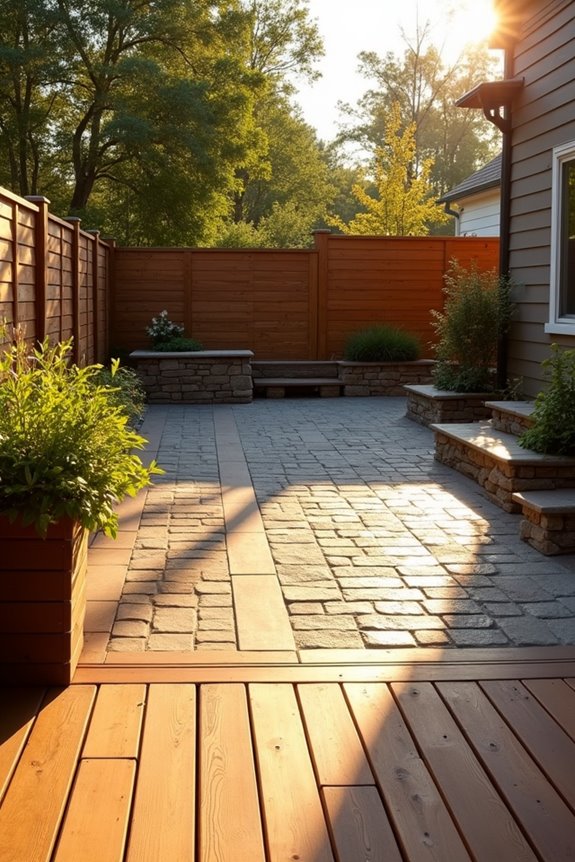
When you’re deciding between a wood deck (which recovers 83% of its cost) and a composite one (68% recovery), you’re really choosing between upfront savings and long-term maintenance headaches. Material durability matters because buyers today want low-maintenance options, so that newer deck with composite boards could actually outshine an older wood alternative when it’s time to sell. Together, these three projects—decks, patios, and fences—create an outdoor space that’ll have potential buyers imagining their own backyard parties before they even step inside your house.
Cost Recovery Comparison
So you’re wondering which backyard projects actually pay you back when you sell?
Not all outdoor upgrades recover equally. Wood decks lead the pack at 83% cost recovery, while composite decks trail at 68%. Patios land in the middle at 60–70%, boosting your appraisal by roughly $3,000–$5,000. Privacy fences add about $5,000 in value while defining your space.
| Feature | Cost Recovery | Appraisal Boost | Best For |
|---|---|---|---|
| Wood Deck | 83% | High | Budget-conscious sellers |
| Composite Deck | 68% | Medium | Low-maintenance seekers |
| Patio | 60–70% | $3,000–$5,000 | Entertaining |
| Privacy Fence | Strong ROI | ~$5,000 | Safety & appeal |
The best approach? Choosing maintenance-free materials that align with neighborhood standards. You’ll maximize ROI while keeping upkeep minimal—that’s smart investing.
Material Durability Matters
Why do some backyard upgrades hold their value while others fade fast? The answer lies in material durability. You’ll want to choose wisely because your investment depends on it.
Consider these three options:
- Wood decks recoup about 83% of costs, while composite decks recover roughly 68%—durability wins here
- Concrete patios deliver excellent ROI when maintained properly, but cracks and weeds tank your resale appeal
- Privacy fences add around $5,000 in value while solving safety and privacy concerns
The real factor? Pick low-maintenance materials. Buyers love upgrades requiring minimal upkeep. Professional installation matters too—unpermitted work actually *reduces* value. You’re building long-term equity when you prioritize durability and compliance. Think of it as protecting your money while creating the backyard you’ll actually enjoy.
Landscaping and Gardens: Proven Curb Appeal Boosters
How much could a few well-placed shrubs and some fresh mulch really affect your home’s value? Quite a bit. Smart landscaping delivers solid returns—up to 80% according to realtor assessments. Your neighbors notice when your yard looks deliberate.
| Landscaping Feature | Value Impact | ROI Potential |
|---|---|---|
| Native plants & drought-conscious design | 5.5%–12.7% increase | Long-term savings |
| Mature fruit trees | ~15% boost | Rare competitive edge |
| Well-maintained grass & flowering shrubs | Moderate enhancement | Steady appeal |
| Tidy walkways & shade structures | Foundation improvement | Consistent appeal |
You don’t need artificial turf or expensive overhauls. Focus on what actually works: native plantings that thrive locally, water-wise choices that cut costs, and thoughtful layouts. These improvements align with what today’s buyers actually want. Your landscaping investment pays dividends in both immediate curb presence and long-term home value. That’s part of a smart-investment community.
Outdoor Kitchens and Fire Pits: Entertainment ROI
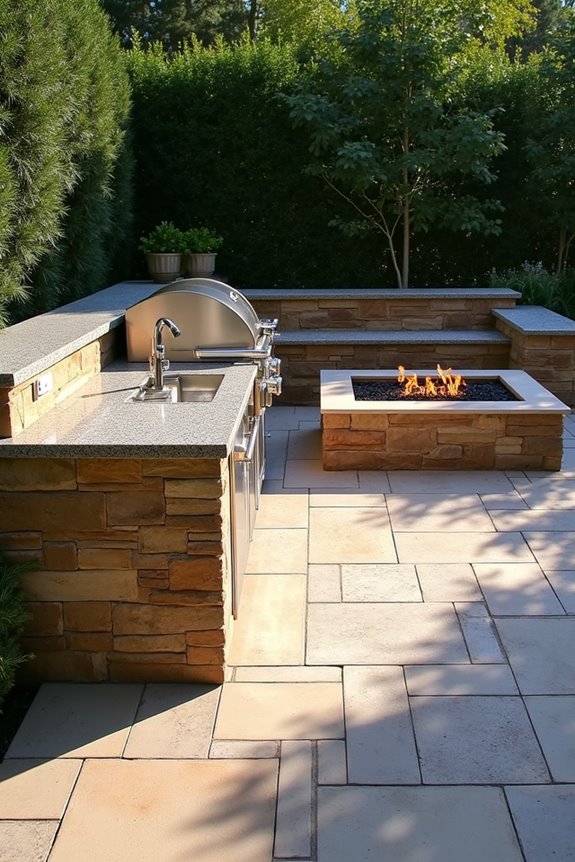
When you’re thinking about adding an outdoor kitchen or fire pit, you’re basically investing in entertainment spaces that’ll actually pay you back—with outdoor kitchens recouping 55% to 200% of costs and fire pits recovering around 70%. The trick is planning to stay in your home long enough to enjoy these features yourself while they boost your resale value by about 3.1%, so align your timeline with your lifestyle. You’ll want essentials like a durable countertop, grill, prep sink, and storage for your kitchen, plus maybe a gas-powered fire pit if you’re budget-conscious, since these practical choices make your backyard work harder for both family fun and future buyers.
Cost Recovery And Value
What’s the real payoff when you invest in outdoor entertainment spaces? You’re looking at serious return on investment potential that’ll improve your financial outcome.
Here’s what you can expect:
- Outdoor kitchens recoup 55% to 200% of costs, making them your strongest value addition
- Fire pits deliver up to 70% ROI, especially gas-powered options that offer solid cost efficiency
- Combined spaces boost resale value by roughly 3.1% when you merge kitchens and fire pits
Your outdoor living space becomes a major selling point. Buyers crave entertainment areas where they’ll gather with friends and family. The key? Choose durable countertops, inset grills, and compact refrigerators that prove you’ve invested wisely.
Of course, ROI depends on your market. Areas where outdoor living already has strong demand? You’ll recover costs faster and attract serious buyers eager to entertain.
Strategic Long-Term Planning
Planning ahead converts those ROI numbers into real, lasting value for your home. If you’re staying put for a few years, backyard renovations like outdoor kitchens and fire pits align with your entertaining lifestyle.
| Feature | ROI Recovery | Best For |
|---|---|---|
| Outdoor Kitchen | 55–200% | Multi-year stays |
| Fire Pit | Up to 70% | Year-round gatherings |
| Combined Setup | 125%+ average | Maximum resale appeal |
You’re not just buying features. You’re investing in memories with friends and family. An outdoor kitchen with a grill and prep sink becomes your entertainment hub. A gas-powered fire pit creates cozy autumn nights. Together, they boost your home’s perceived livability and resale value by roughly 3.1%.
Long-term planning means choosing upgrades that matter to you while knowing they’ll pay dividends later.
Essential Features And Design
How do you turn a backyard into the place where everyone actually wants to hang out?
You’ll want to focus on features that boost your entertaining value and ROI. Here’s what works:
- Outdoor kitchen essentials – Inset grills, durable countertops, prep sinks, and compact refrigerators maximize functionality and recoupment rates between 55% to 200%
- Fire pit magic – Gas-powered options deliver up to 70% cost recovery while creating an irresistible social focal point
- Strategic storage – Ample cabinetry keeps everything organized and accessible
The combo matters most. A well-designed kitchen-fire pit pairing builds your outdoor living spaces into the heart of entertaining. Listings featuring these elements sell for about 3.1% more. You’re not just building a backyard—you’re creating lasting memories while protecting your investment. That’s the real win.
High-ROI Improvements Under $1,000
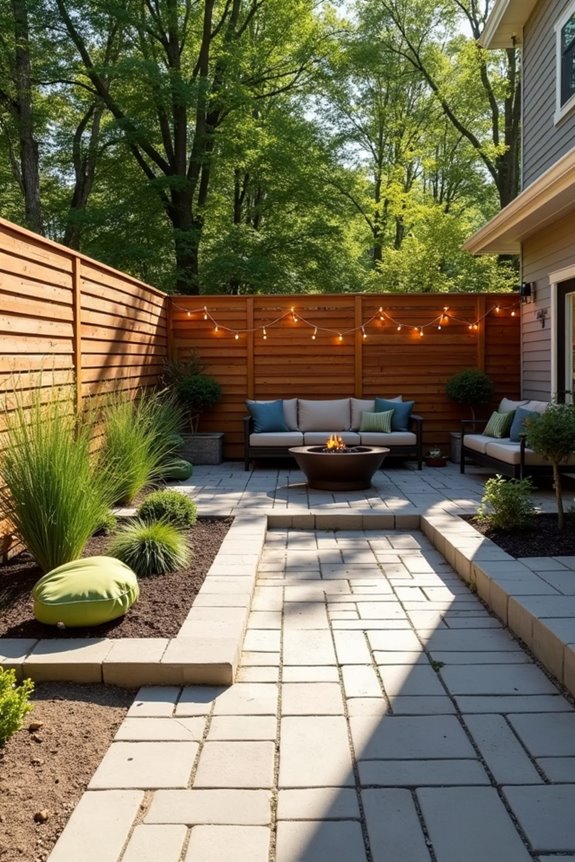
You don’t need a massive budget to improve your backyard into something you’ll actually enjoy spending time in. Simple lawn maintenance and fresh mulch deliver serious curb appeal and ROI under $1,000. You’re looking at edging, trimming overgrown hedges, and repairing sprinkler heads—practical moves that protect your home’s value while keeping costs down.
Consider DIY concrete planters or new garden beds. These landscaping basics cost a few hundred dollars while creating noticeable visual impact. Focus on condition and upkeep first; maintaining existing features often matters more than expensive materials.
Sod, edging, and structured beds showcase what you have. You’re not just making your yard look sharp—you’re proving to potential buyers (and yourself) that you care. That’s the real win.
Backyard Projects That Tank Home Value
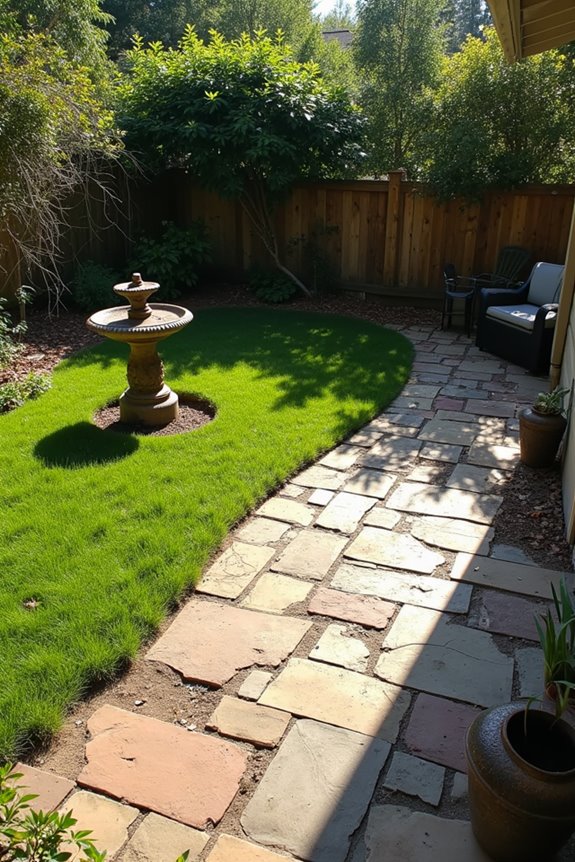
Not every backyard upgrade pays off—some actually hurt your home’s value. You’ll want to avoid these common mistakes that turn buyers away:
- Skipping permits and hiring unlicensed contractors – Unpermitted DIY work can tank your sale price or require costly removal before closing.
- Overbuilding beyond your neighborhood – Installing luxury features neighbors don’t have wastes money and reduces perceived value quickly.
- Neglecting patio maintenance – Cracked concrete, weeds, and discoloration signal neglect. Poor upkeep kills ROI immediately.
High-maintenance pools, drought-inefficient irrigation, and expensive materials that don’t last also backfire. These projects demand ongoing maintenance that buyers resent paying for. Stick with improvements matching your neighborhood’s standard, hire licensed professionals, and maintain everything properly. Your backyard should add value, not drain it.
DIY vs. Hiring for Backyard Renovations
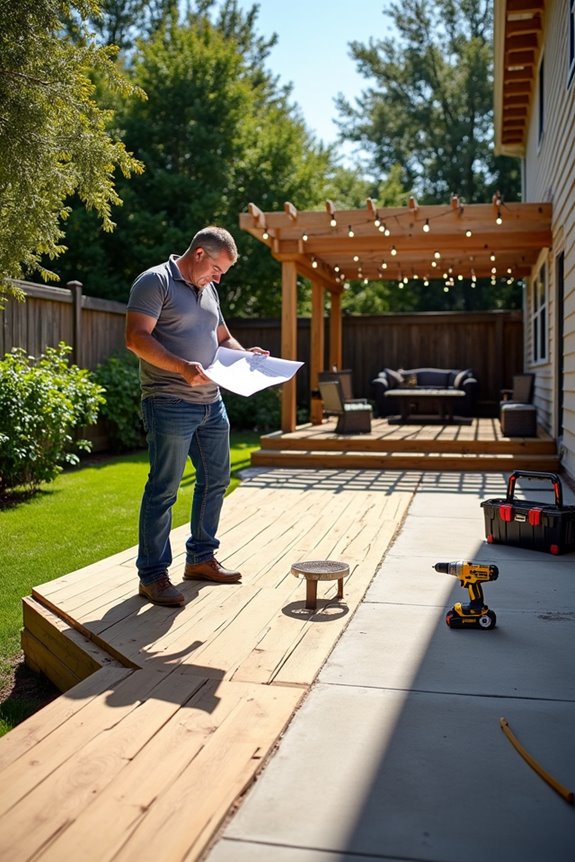
Should you grab your toolbelt or call a pro? That’s the million-dollar question—literally, since it affects your home’s value and ROI.
Small DIY projects like concrete planters? Go ahead. But larger renovations like decks demand professional contractors. Here’s why: unpermitted work tanks resale prices or requires costly removal before closing. Appraisers don’t care about your sweat equity; they evaluate actual condition and craftsmanship.
Hiring a licensed contractor means proper permits, safety compliance, and code-approved results. Yes, it costs more upfront, but you’re protecting your investment. For complex multi-feature projects, get itemized quotes and professional guidance to maximize ROI and avoid overspending.
Bottom line? DIY small stuff, hire professionals for major work. Your future buyers—and your wallet—will thank you.
How Much to Budget for Backyard Renovations?
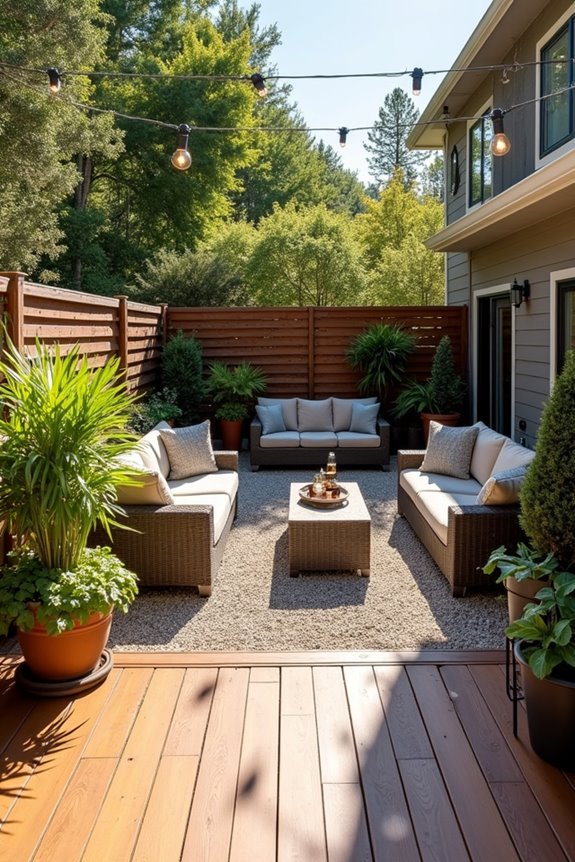
What’s the right budget for building your backyard into the outdoor space you want? Here’s the honest truth: it depends on what you’re building.
Your cost ranges vary dramatically based on projects:
Your cost ranges vary dramatically based on projects—deck work, patios, and landscaping each demand different budgets and deliver different returns.
- Decking runs $25–$80 per square foot (wood offers 83% ROI; composite gives 68%)
- Patios cost $5–$35 per square foot installed
- Landscaping delivers strong returns when aligned with neighborhood norms
Start by setting aside a 10%–20% contingency—things always pop up. Grab itemized quotes from contractors, not rough estimates. Minor projects start under $10,000, while full makeovers exceed $150,000.
The key? Match your budget to your ROI goals. Irrigation hits about 83% recoupment. Don’t overspend on features your neighborhood won’t value. Smart budgeting means your backyard renovation actually pays you back.
Pay for It: Savings, HELOCs, or Loans?
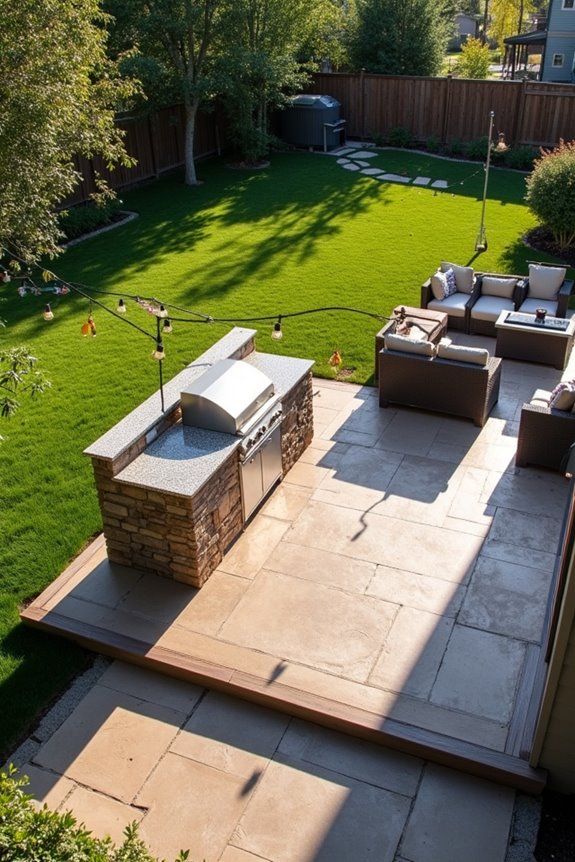
You’ve figured out your dream backyard and set a realistic budget—so how’re you actually gonna pay for it?
You’ve got three main paths: savings, HELOCs, or loans. Tapping your savings keeps you debt-free, but it’s tough if you’re short on cash. HELOCs offer revolving credit based on your home’s equity—ideal for renovation costs—with lower interest rates than personal loans. Just watch out for balloon payments when the draw period ends.
Personal loan options give you quick funds, though they’ll cost you more in interest. Before choosing, consider your return on investment. Don’t overextend yourself financially. Balance your project cost against expected ROI and how long you’ll actually use that backyard. Smart financing means enjoying your renovation while managing debt responsibly.
Request Quotes That Account for Hidden Costs
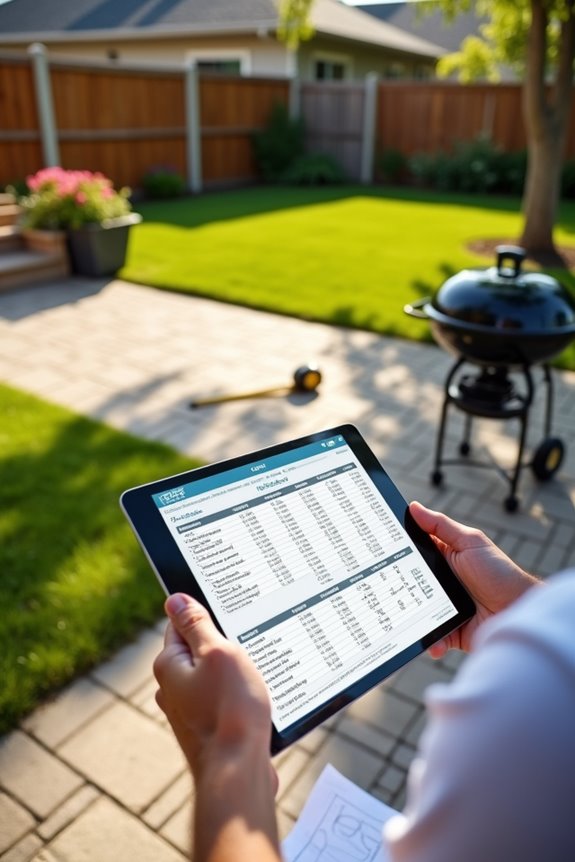
Ever noticed how a contractor’s initial estimate suddenly jumps once work actually starts? You’re not alone. Hidden costs derail budgets constantly, but you can prevent that headache.
Hidden contractor costs derail budgets constantly, but itemized quotes and contingency planning prevent expensive surprises.
Request quotes that dig deeper than surface numbers:
- Demand an itemized breakdown separating materials, labor, permits, demolition, and maintenance so nothing sneaks past you
- Ask about subcontractors versus in-house crews—this choice affects both costs and unpermitted work risks
- Build in a contingency fund of 10–20% for unforeseen expenses that initial estimates miss
Don’t just compare prices. Request detailed design descriptions and past project examples. Verify whether quotes account for permit delays and seasonal pricing fluctuations. Multiple quotes reveal what’s typical versus overpriced. You’ll spot inflated estimates immediately and move forward with contractors who communicate transparently about real costs.
How Backyard Upgrades Build Lasting Equity
When you invest in quality backyard features—like a solid deck, outdoor kitchen, or thoughtfully designed landscaping—you’re not just creating a fun hangout spot; you’re building real equity that grows your home’s value over time. Your upgrades directly influence what buyers will pay because they see a well-maintained, usable outdoor space that matches what other homes in your neighborhood offer. The best part? Smart improvements compound your returns, meaning the money you spend today can translate into thousands more when you eventually sell.
Long-Term Resale Value Growth
Beyond the immediate joy of hosting summer barbecues, your backyard renovations are quietly building wealth. Think of outdoor upgrades as investments that pay dividends over time. Here’s what makes them powerful:
- Property value jumps: Landscaped lots in competitive markets show 5.5%–12.7% higher value, meaning your neighbors notice and buyers definitely do.
- Rare features multiply returns: Mature fruit trees or original elements add up to 15% value over time, creating lasting equity beyond initial improvements.
- ROI compounds: Well-maintained yards influence buyer perception, potentially boosting resale price through strategic outdoor features and consistent design.
Your backyard renovations aren’t just about today’s enjoyment—they’re creating tomorrow’s financial gains. When inflation periods hit, these outdoor upgrades hedge your long-term equity effectively.
Equity Accumulation Through Improvements
Your backyard’s real power isn’t just the fun you’re having right now—it’s the wealth you’re literally building into your property with each upgrade. When you invest in outdoor renovations, you’re not throwing money away; you’re creating equity that compounds over time.
Wood decks recoup about 83% of costs, while composite decks recover around 68%—solid returns that strengthen your home’s financial foundation. Landscaping improvements and well-designed patios boost curb appeal, making buyers immediately interested. Add an outdoor kitchen? You’re looking at substantial gains, especially if you plan to enjoy it long-term.
The value compounds when improvements align with what neighbors value. You’re building lasting equity through strategic choices that enhance both livability and resale value at the same time.
Make Sure It Fits Your Life, Not Just Your Budget
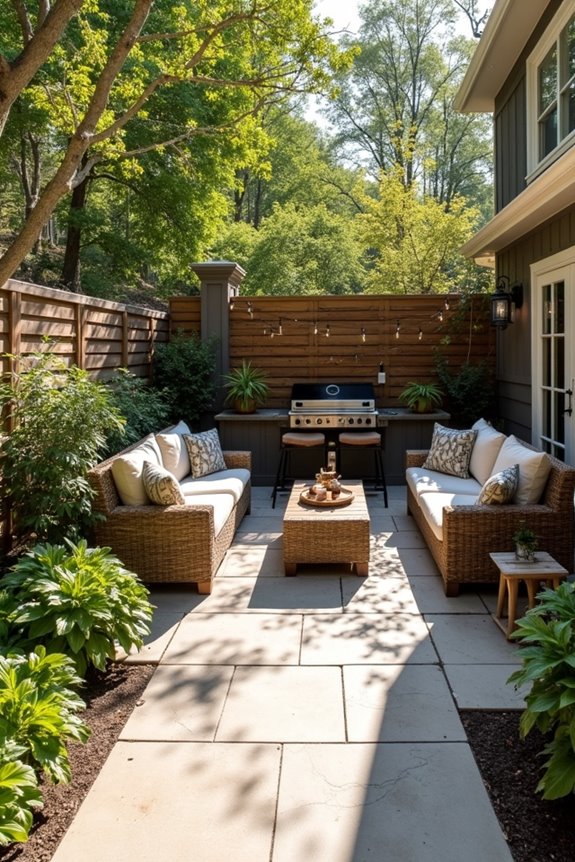
Just because you can afford a backyard renovation doesn’t mean it’ll actually work for your life—and that’s the real question you need to ask yourself.
What really matters: your outdoor space should match how you actually live, not just look good on Instagram. Before spending serious money, picture your typical week. Do you host gatherings? Need a play area? Want privacy for relaxation?
Consider these priorities:
- Multi-use spaces beat single-function luxuries—a deck works for entertaining and family dinners
- Zone different areas for playing, working, and unwinding to support real daily routines
- Start small with mulch and edging before committing to expensive projects
Your backyard’s ROI depends on genuine lifestyle fit. That expensive pool won’t boost home value if nobody swims. Build spaces your family will actually use daily, and you’ll appreciate your investment for years.